
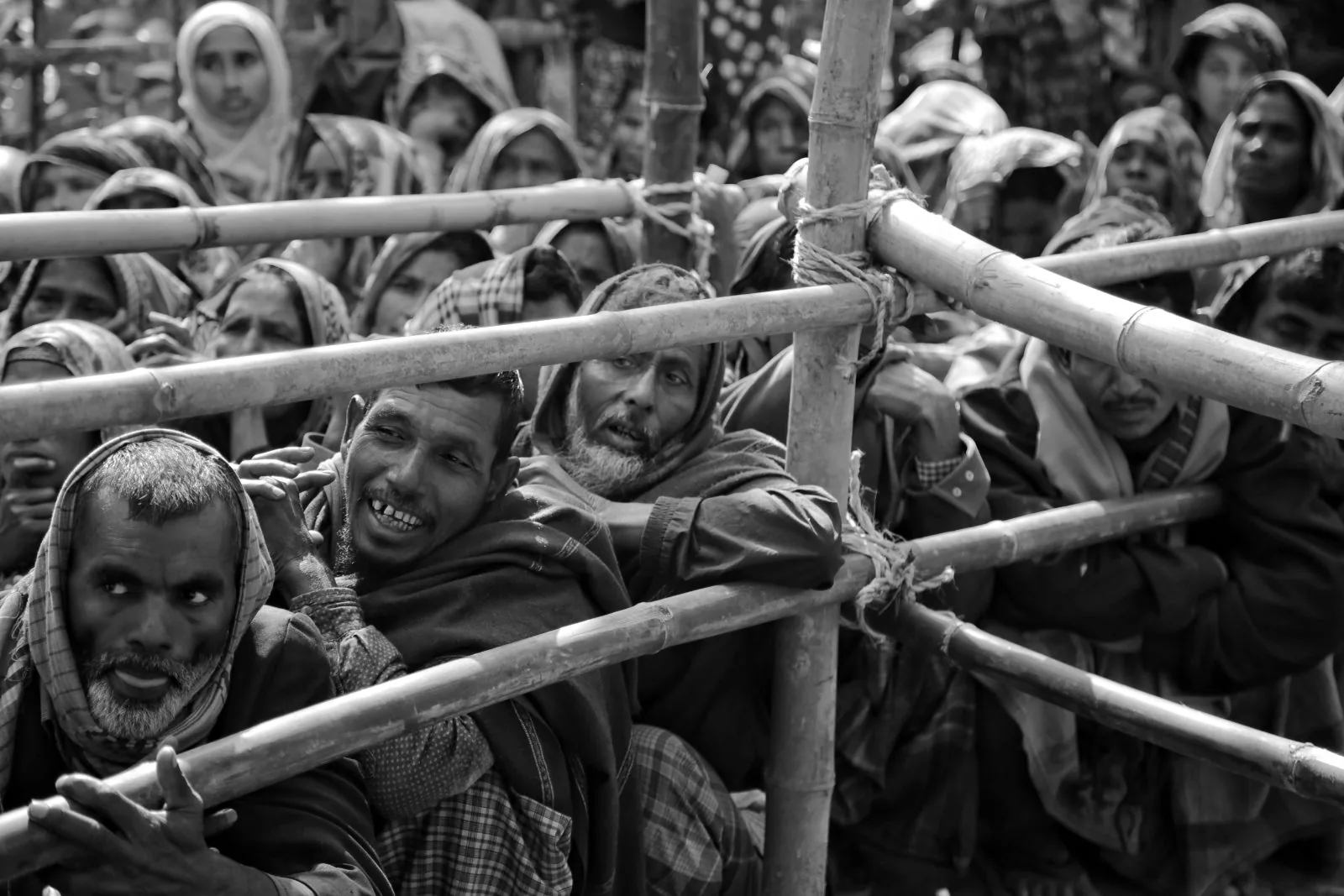
84%
of employed people in Bangladesh work informally. About 5.8 crore people.
BBS Labour Force Survey 2024
This is not the edge of Bangladesh's economy. It is most of it.
Two injustices, every day.
One
Getting the work
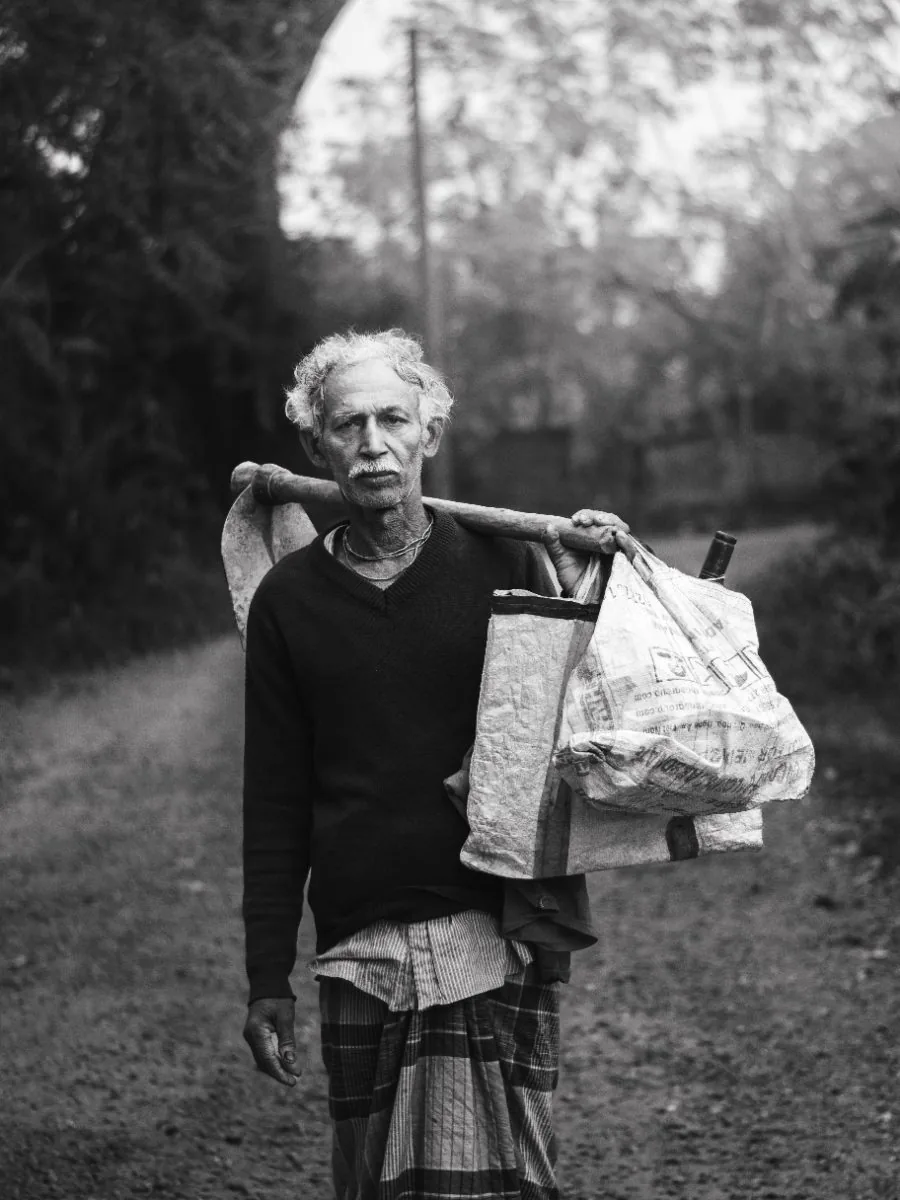
At dawn, at the roadside, workers wait to be picked. Some are chosen. The rest go home with nothing, and try again tomorrow.
Two
Proving they did it
Cash in hand. No slip, no name, no date. The money changes hands. The proof never does.
Without a record, a worker can't…
contest a wage
When the pay comes short, there is nothing to point to.
show their experience
Ten years of work look the same as none.
prove they were at work when they got hurt
9.6 lakh people reported a work injury or illness in one year.
BBS Labour Force Survey 2024
And the country can't count, reach or protect them.
How work reaches a worker today
Five links, from the first order to the day's work. Only the last one is left with nothing.
- 1
Government bodies and large firms
issue the work.
- 2
Licensed firms
bid for the tenders.
- 3
Contractors, sub-contractors and households
hire for the job.
- 4
A broker or sardar
puts the crew together.
- 5
The worker
is picked at dawn, paid in cash, and left with no record.
Who carries the most risk
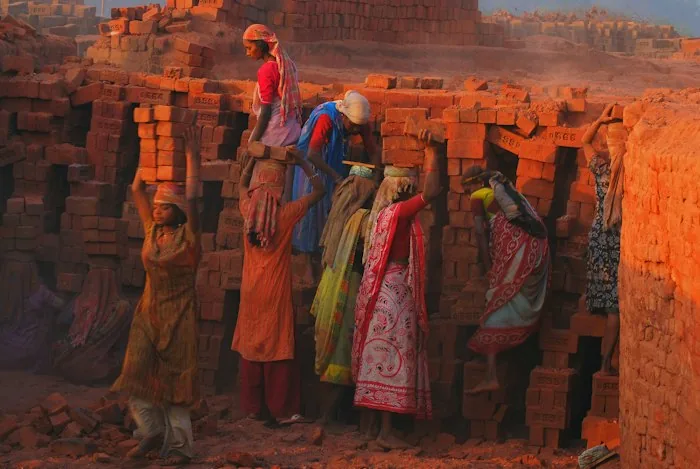
Women
96%
of employed women work informally
57%
of men's pay, in elementary jobs
BBS Labour Force Survey 2024
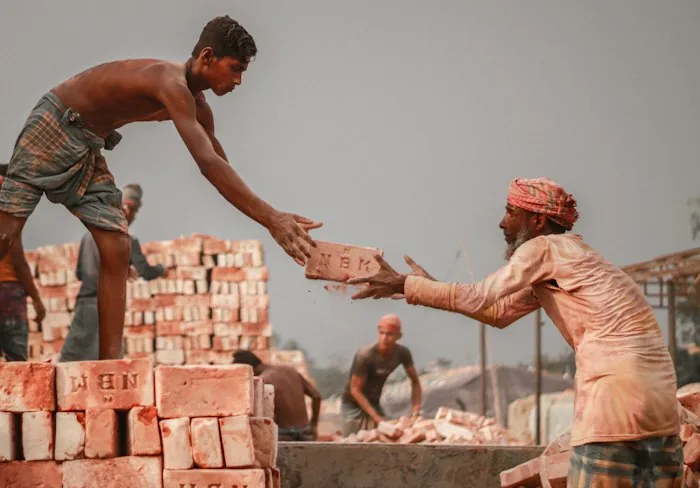
Outdoor workers
On roads, roofs and sites through the heat and the monsoon. When the weather stops the work, the day's pay stops with it.
Seasonal workers
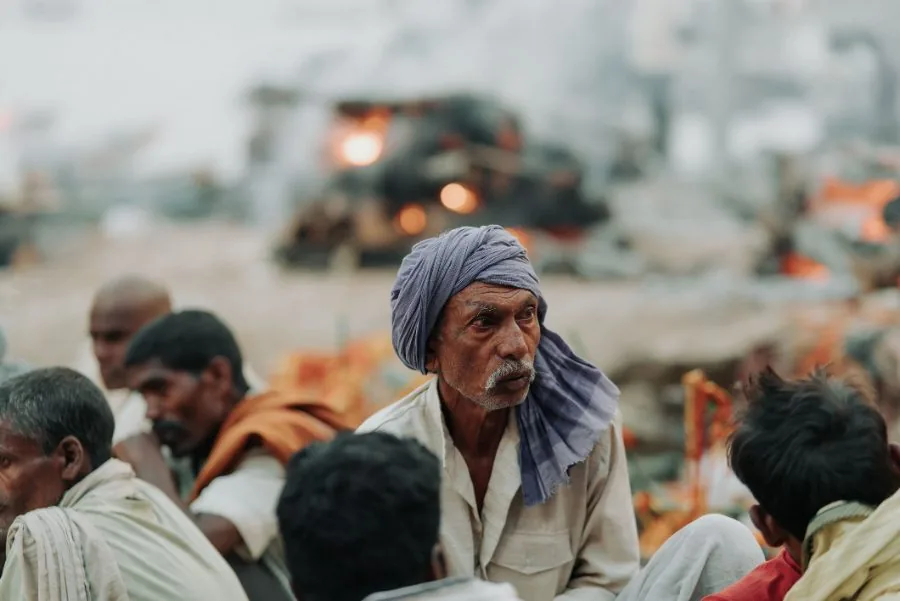
New to the city between harvests, with no one to vouch for them and nothing to show for the work they have done before.
The rest of the picture
3 in 4
wage earners are paid only in cash
World Bank Global Findex 2025
1 in 3
paid employees have only a spoken agreement
BBS Labour Force Survey 2024
1 in 10
paid employees has an employer paying into a pension
BBS Labour Force Survey 2024
37 lakh
people work in construction
BBS Labour Force Survey 2024
9% lower
real construction wages than in 2021-22
BBS Wage Rate Index, inflation-adjusted
Why it matters for Bangladesh
What recorded work can change, goal by goal.
1
No poverty
A record of steady work can open the door to credit and support.
5
Gender equality
Women's work, counted in their own name, is harder to underpay.
8
Decent work
Proof of each day makes fair pay and safe sites something to stand on.
9
Industry and infrastructure
Roads and buildings with a clear record of who built them.
10
Reduced inequalities
Workers the country can count are workers it can reach.
Sources
- Bangladesh Bureau of Statistics, Labour Force Survey 2024
- Bangladesh Bureau of Statistics, Wage Rate Index (inflation-adjusted)
- World Bank, Global Findex Database 2025